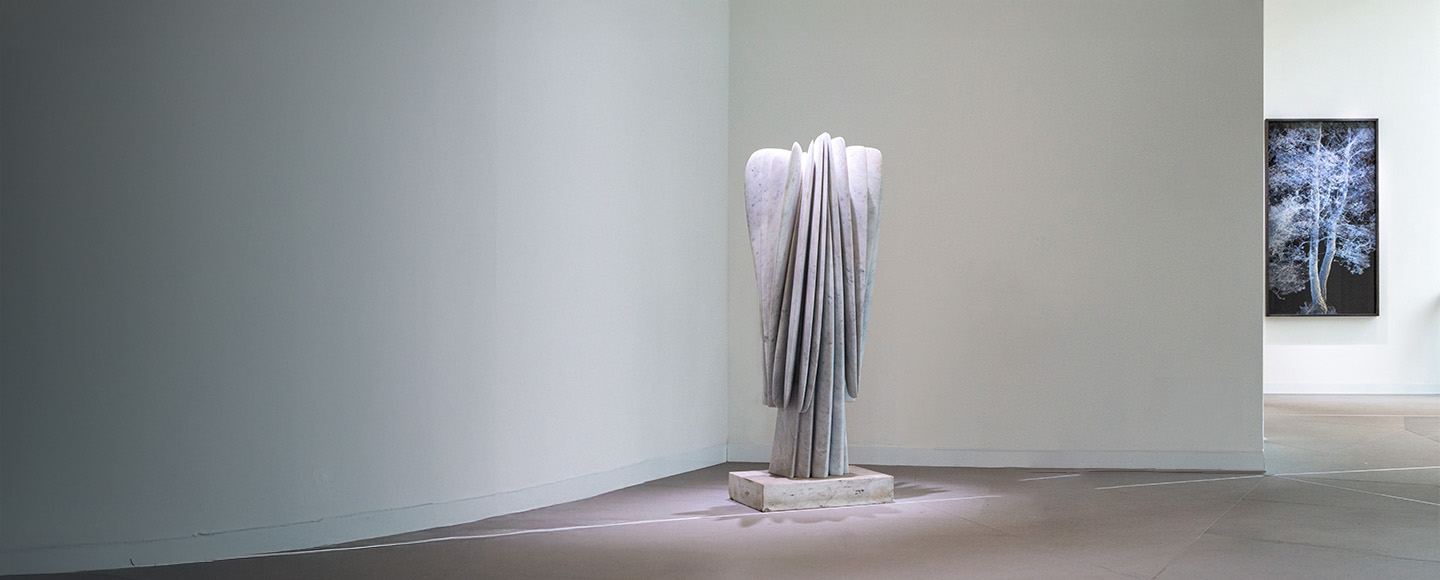
![Futuro Remoto [Remote Future] by Marco Lanza](https://www.cubounipol.it/wp-content/uploads/import/PublishingImages/Mostre/_Banner Mostra Lanza.jpg)
Futuro Remoto [Remote Future] by Marco Lanza
Images from the warehouses of Italian museums 18 October 2016 - 14 January 2017
CUBO presents the personal photography of Marco Lanza‘, Futuro Remoto [Remote Future]. Images from the warehouses of Italian museums, curated by Professor Luca Farulli, professor of Aesthetics at the Brera Academy of Fine Arts in Milan and in collaboration with the Museum of Natural History of the University of Florence.
The abandoned spaces of warehouses become the subject of cultural regeneration today, where memory can be recovered; in fact, history is also a history of working methods, gestures. For this recovery, the imagination must be activated as a means of appropriation of the future, a real challenge of our time.
The exhibition therefore presents itself as the journey into the other state of things in which works of art, archaeological finds, and the products of human activity stored therein come to light, emerging from the separate life that usually characterises them. The exhibited works are created through the language of photography and seek to give shape and universal meaning to the finds kept in the warehouses of the main Italian museums (Pompeii, Naples, Florence, Milan, Turin) through the frames and colours that arise from the meeting of light and matter, body and dust.
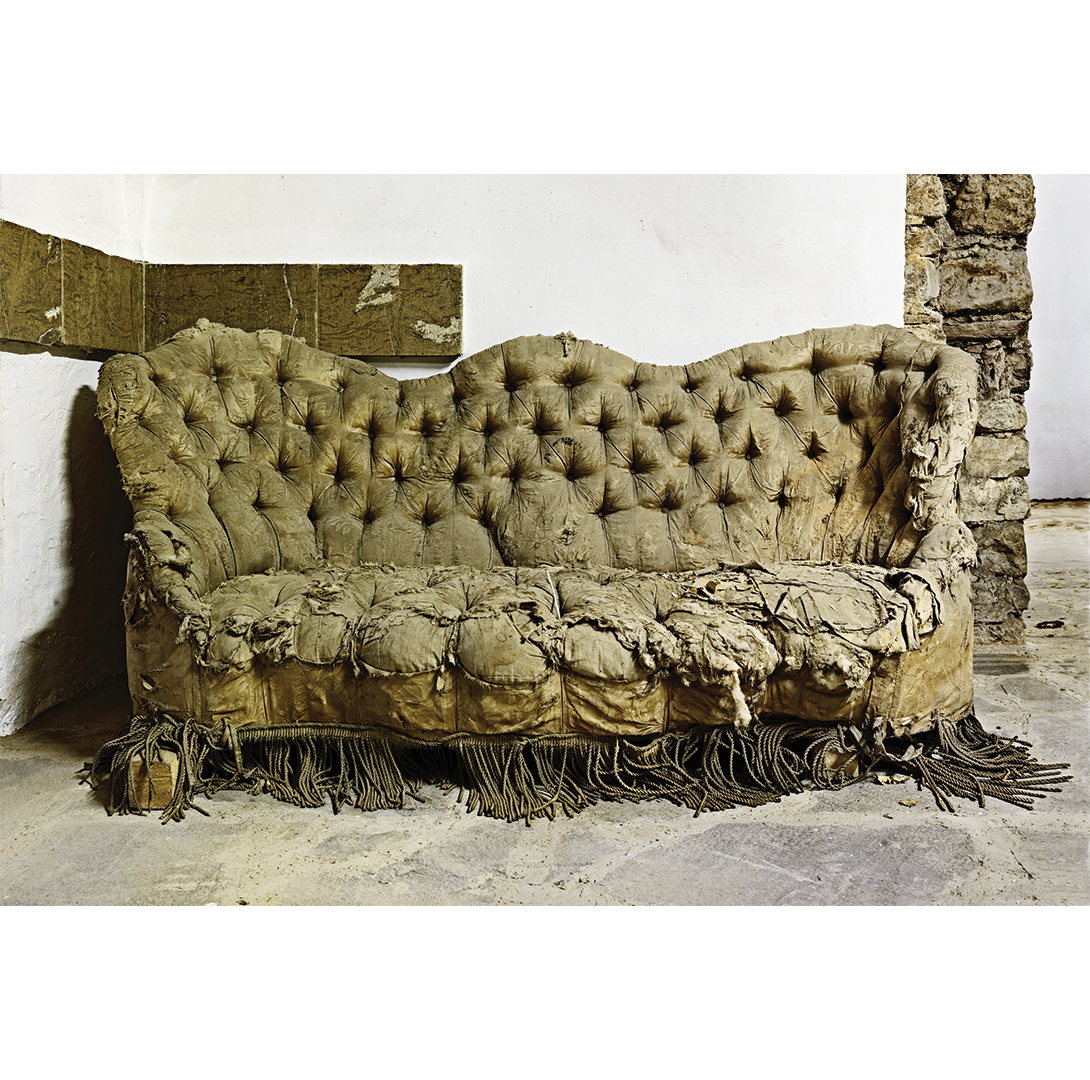
Marco Lanza, Galleria Palatina Firenze, photo, 2008
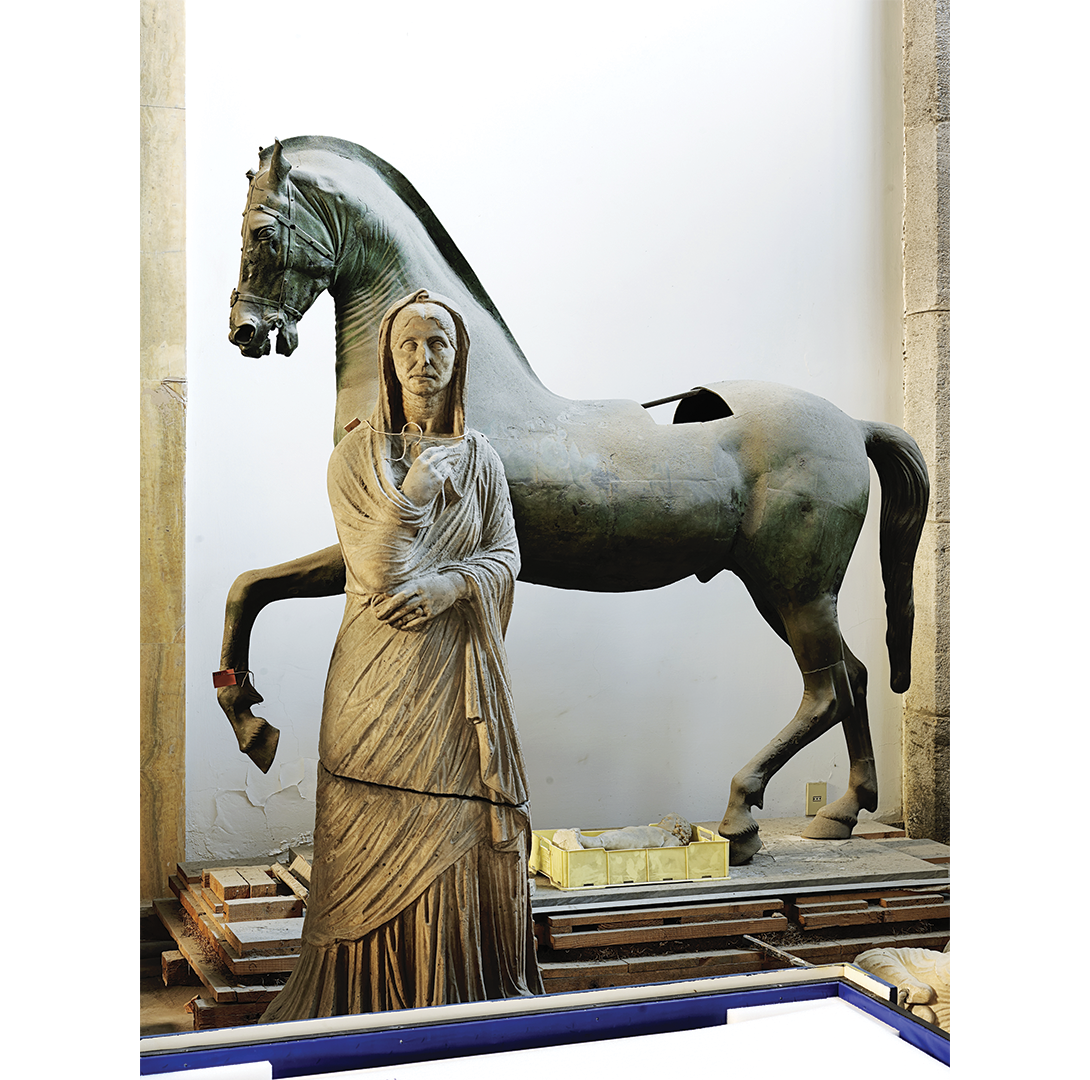
Marco Lanza, Museo Archeologico Nazionale Napoli, photo, 2008
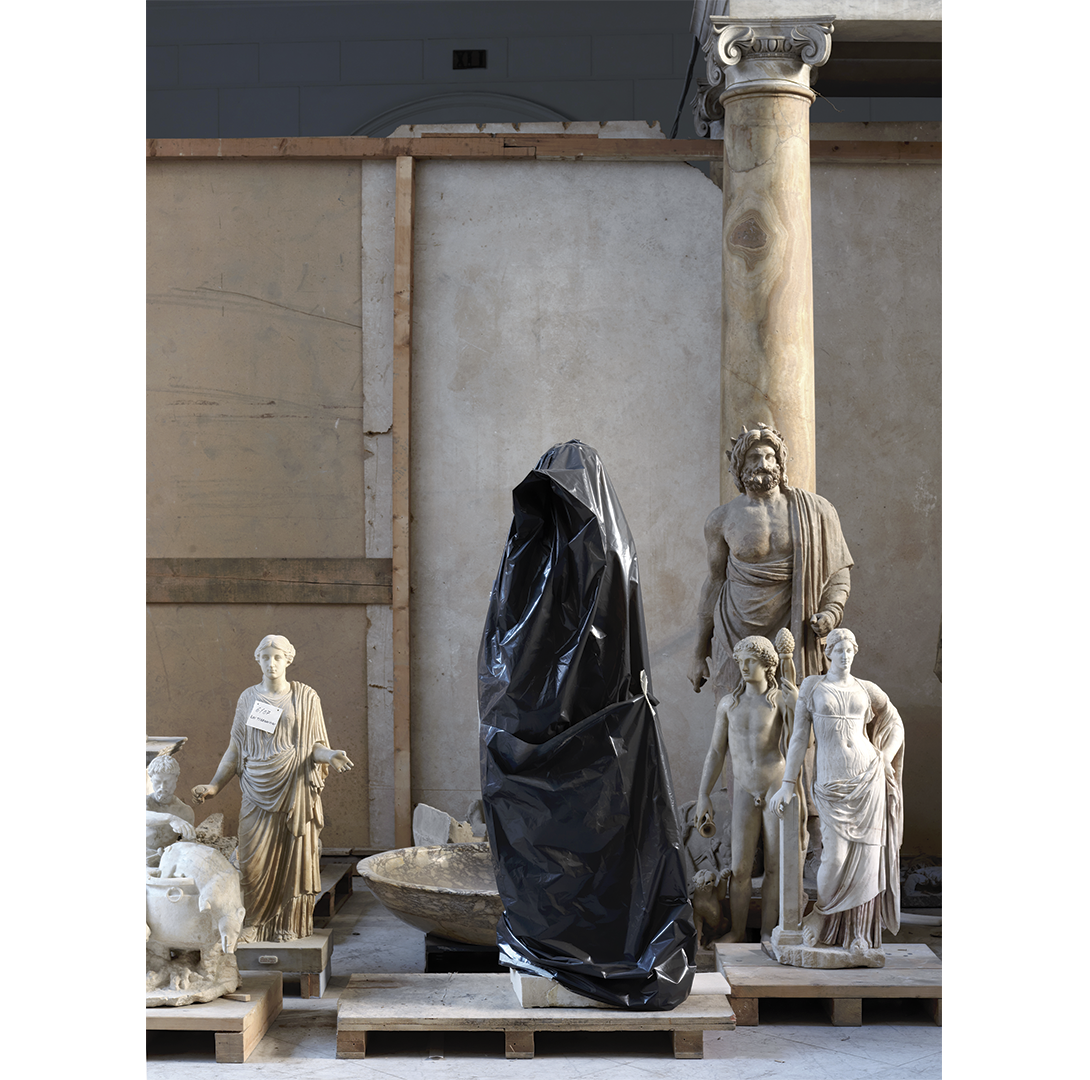
Marco Lanza, Museo Archeologico Nazionale Napoli, photo, 2008
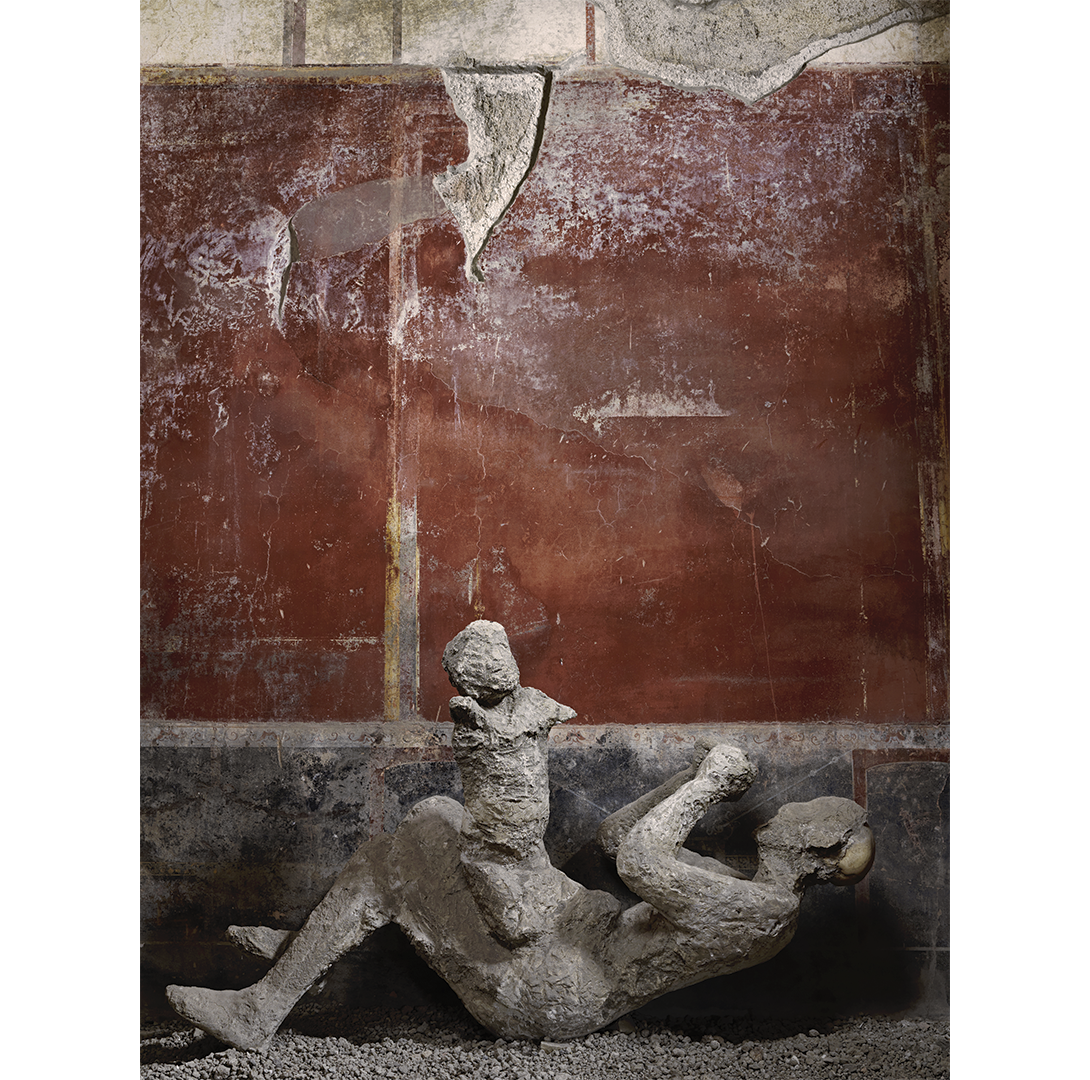
Marco Lanza, Scavi di Pompei, photo, 2008
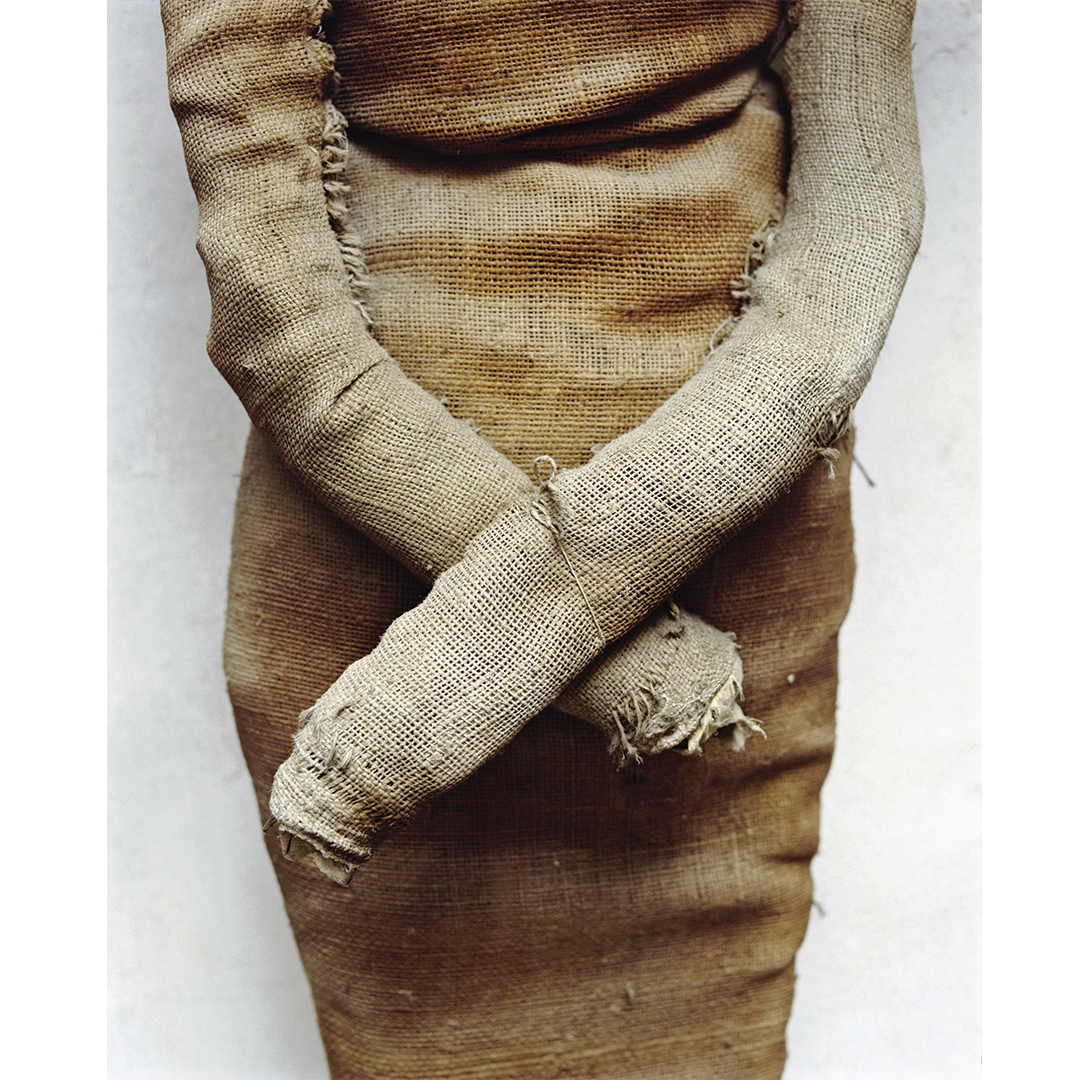
Marco Lanza, Cripta dei Cappuccini Palermo, photo, 1998
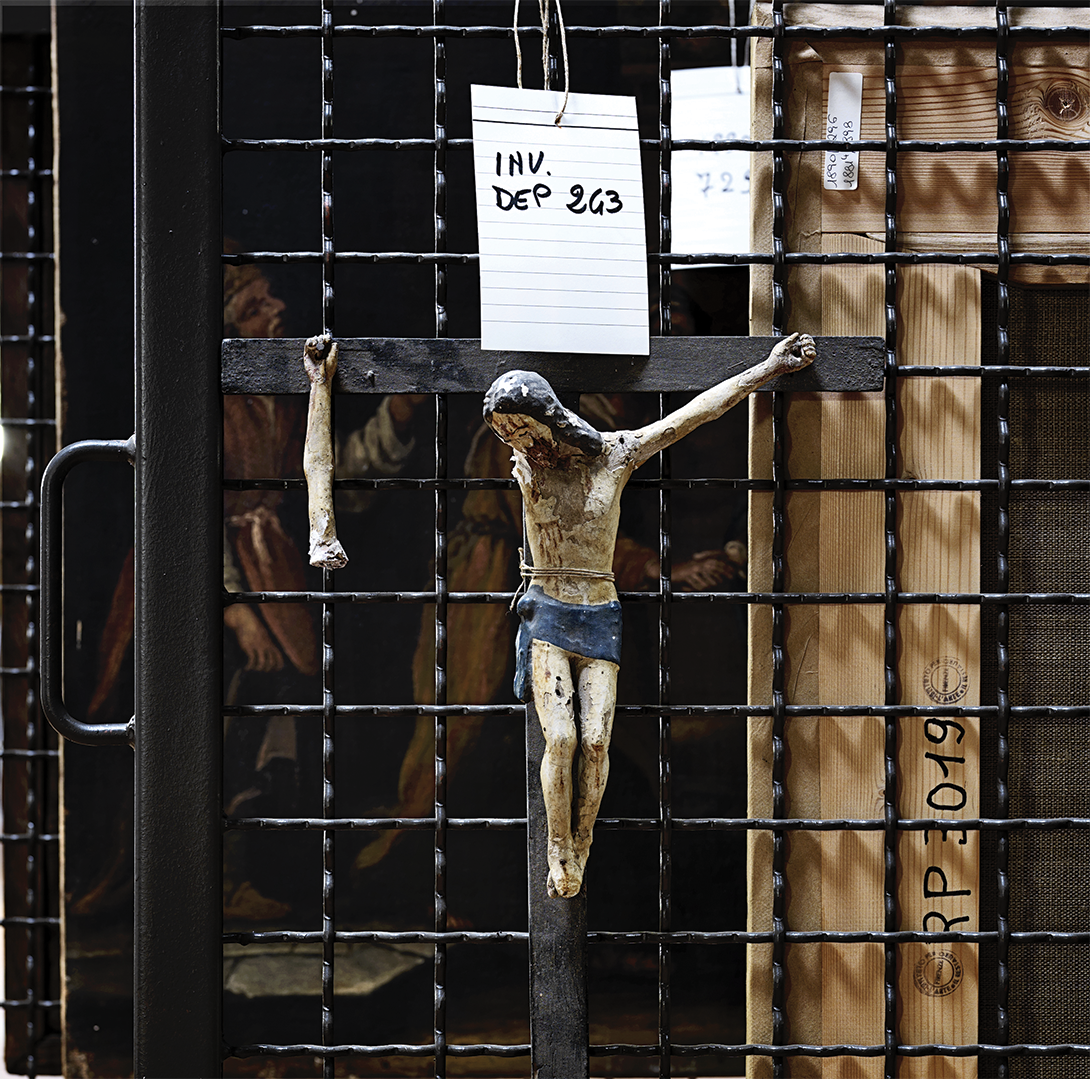
Marco Lanza, Museo del Cenacolo di Andrea del Sarto Firenze, photo, 2009
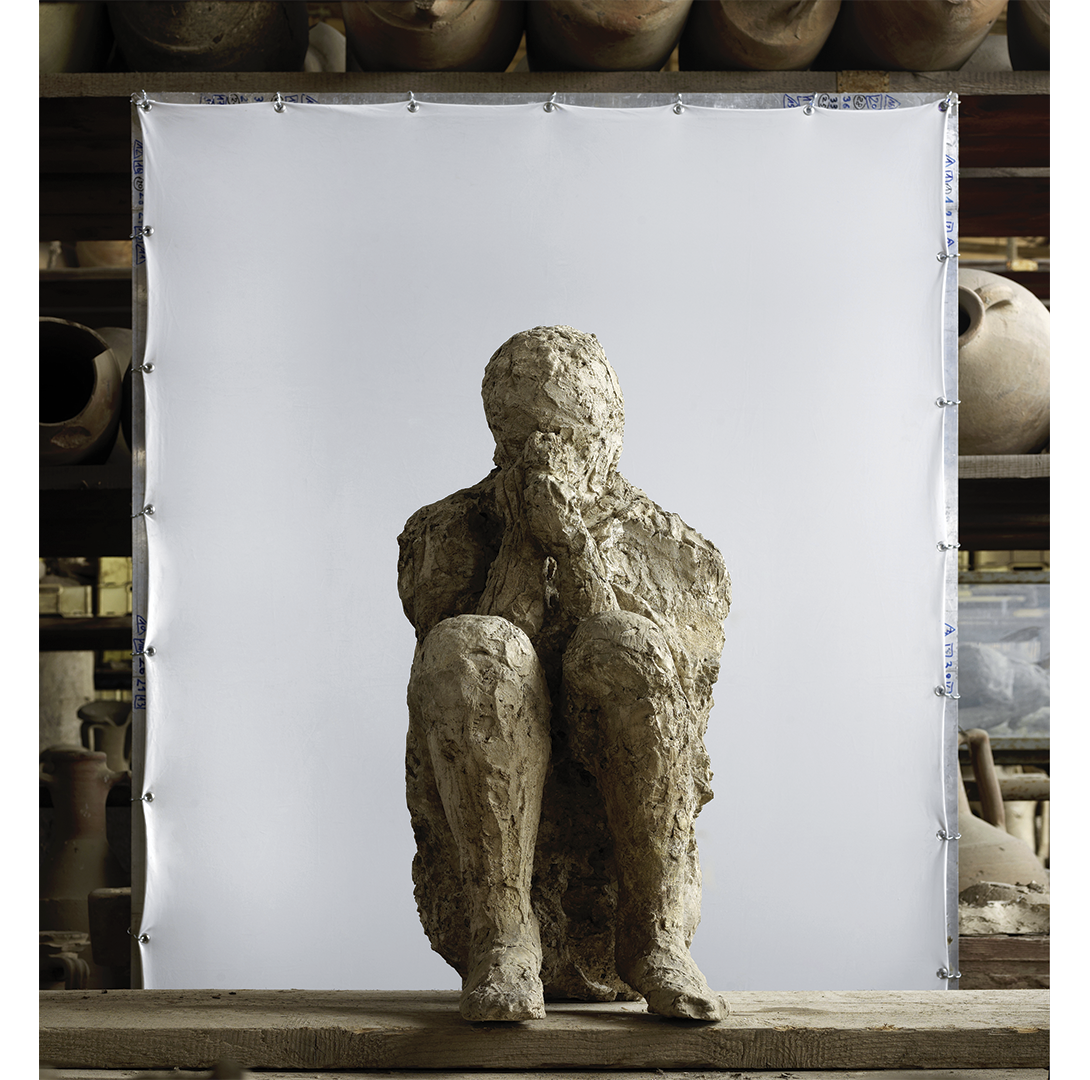
Marco Lanza, Scavi di Pompei, photo, 2008
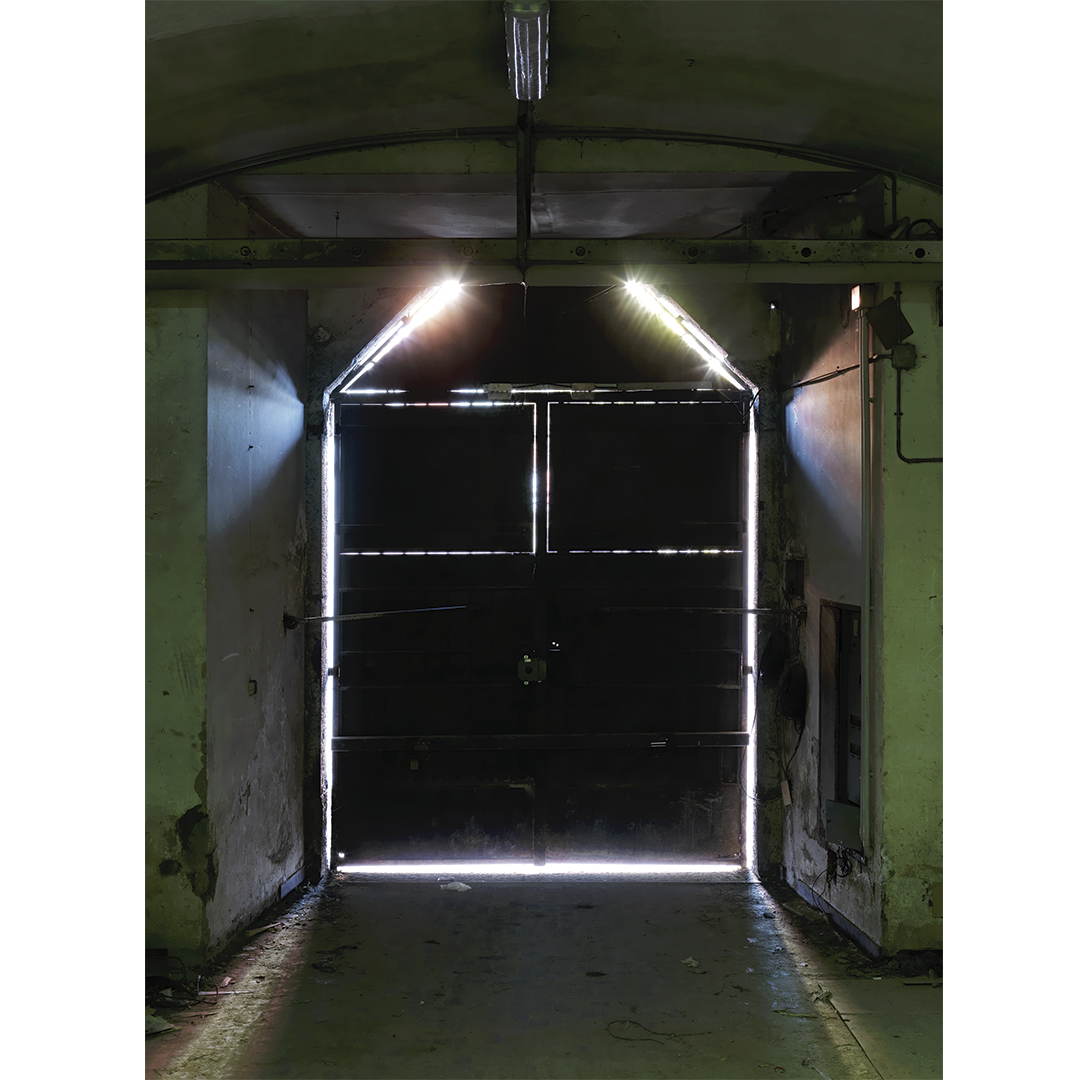
Marco Lanza, Museo Archeologico Nazionale Napoli, photo, 2008
“The warehouses contain things, not objects: fragments of saved existence, which present themselves as still active images, as petrified gestures, inviting us into their space. In fact, with respect to these lives in the image, it is impossible to remain distant in neutral space: the wind of history blows from them, time returns to life and we are no longer safe and impassive, in front of or before history, but within it. Photographs have rarely managed to grasp this condition of the warehouse more accurately, with more tenderness, with more evocative force than these images of Marco Lanza […] To fully grasp the challenge Marco Lanza poses with his images of warehouses we must, however, further insist on an aspect relating to the condition in which the things of the warehouses live. Collected in an enclosed space, they instead belong precisely to the order of time; in plain sight, the things present in the warehouse are time at the level of ruin, of shattering. As such, the busts, the jewels, the sofas, the birds collected in the conservation cabinets, the various finds of time appear, in the order of the warehouse, as if from a theatrical part, those without a temporal homeland with respect to the linear and homogeneous order, to the continuum with which history is represented. In other words, the things in the warehouse are not prey to the advancing triumph of history. Rather, they stubbornly defend their indigestible singularity. This tendential mark of the warehouse is enhanced and outlined in all its deeper implications by Marco Lanza’s warehouse images, who increasingly abandons the dimension of a closed and protected space to become the scope of time: the things photographed here are loaded with time, they are placed at the intersection of times, where past and future are fought as in a time-lapse; where the future claims its past and the past manifests itself, a lightning bolt and for a moment alone, in the present, illuminating it, making it understandable and projected into the future […] Carefully examined, these photographs are images without a pedestal. They treasure their indiscipline, insofar as they take leave, so to speak, of the warehouse they belong to, they lightly hover above them. Fragments of time without a fixed dwelling subjected, like a ghost condemned to immortality, to wander in time in coming and going, such things of the pictured warehouse are offered, thanks to Lanza’s language, as fragments of culture in circulation, as an atmospheric basin, as a handbook of an identity in the process of formation: intersubjective, intercultural, intertemporal, exploratory. Futuro Remoto“.
(Luca Farulli, excerpt from the presentation text in the catalogue).
For the occasion, Spazio Arte of CUBO has organised a meeting and discussion around the theme of museum warehouses, at the end of which the video-musical performance of the duo PASTIS, Marco and Saverio Lanza, will follow.