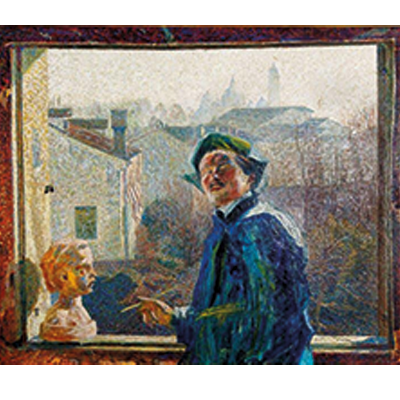
Currently on loan:
Umberto Boccioni verso la liberazione futurista
MASI - Museo d’arte della Svizzera italiana, Lugano
09 Aug 2026 - 24 Jan 2027
Il MASI Lugano prosegue il ciclo di approfondimenti sulla storia dell’arte del Ticino e delle sue collezioni con un focus dedicato a Umberto Boccioni (Reggio Calabria, 1882 – Verona, 1916).
La mostra offre una sintesi ravvicinata e intensa su una fase decisiva dell’evoluzione artistica di Boccioni, restituendo le tensioni, le incertezze e le contraddizioni che precedono la sua adesione al movimento futurista, di cui fu tra i principali fondatori e teorici. “Cerco, cerco, cerco, e non trovo. Troverò?”, annota l’artista in una pagina del suo diario nel marzo 1907: un interrogativo che racchiude l’inquietudine di quegli anni e attraversa l’intera mostra come un filo conduttore.
Dalle prime prove del 1903–1904 al difficile triennio 1907–1909, fino alle soluzioni formali del 1911, il progetto al MASI restituisce la tensione costante di Boccioni verso un linguaggio nuovo, capace di dare forma alla modernità e al dinamismo della vita contemporanea.
A cura di Cristina Sonderegger.
Find out the exhibition